
Breakfast Bites: The Print That Decides September
July CPI is the swing factor for a September hike, oil grinds higher into a Hormuz stalemate, and CoreWeave and Super Micro hand the AI trade a second wind.

Rise and shine everyone
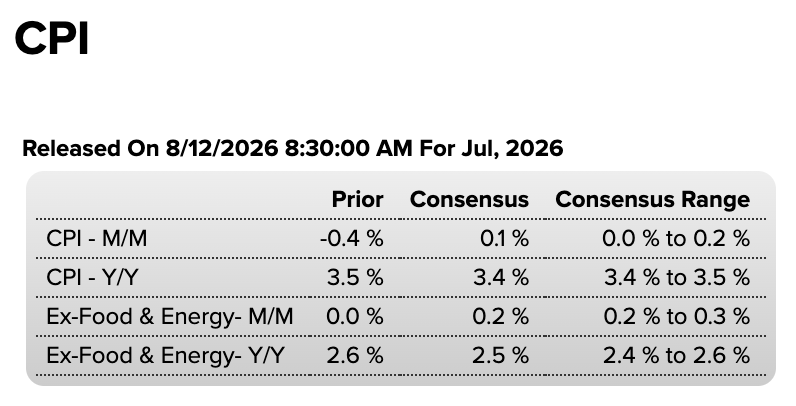
A lot depends on the one CPI number at 8:30 am ET today. Swaps have a September hike at roughly a coin flip, and this print could break the tie.
Consensus is +0.2% on core MoM and 2.5% YoY, with Goldman just under and JPM’s Feroli just above. Bloomberg Economics has core YoY falling to 2.4%, the lowest since March 2021.
The reaction function is lopsided. A soft print buys the Fed time it already wants, while a hot one forces a repricing weighing on stocks.
Here is what we are watching today:
July CPI at 8:30 and what it does to September hike odds
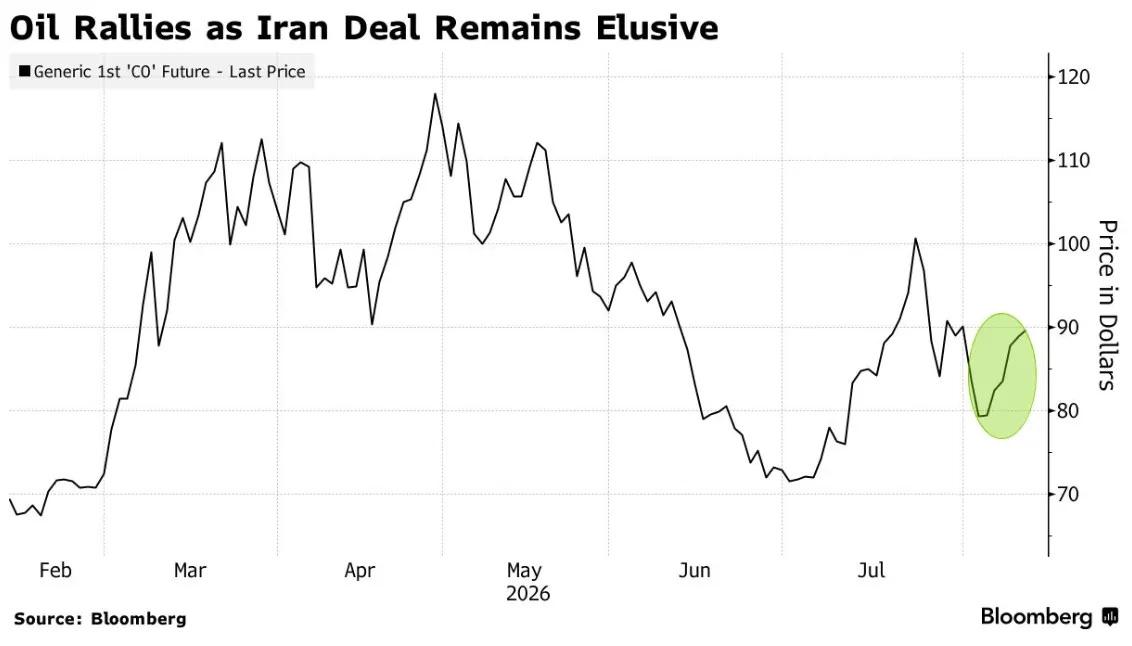
Brent extending a six-day rally into a hardening Hormuz standoff
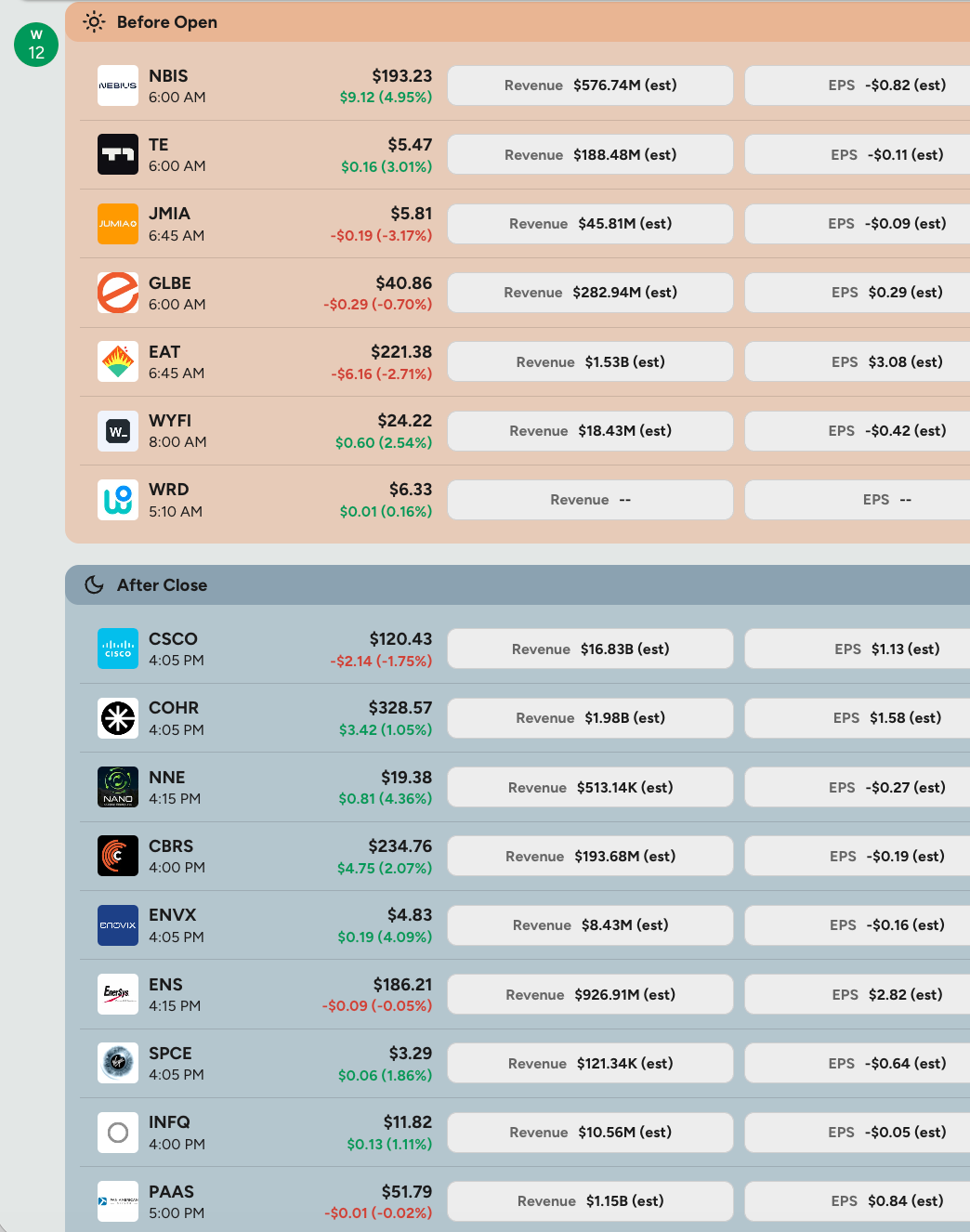
Nebius before the open and Cisco after the close
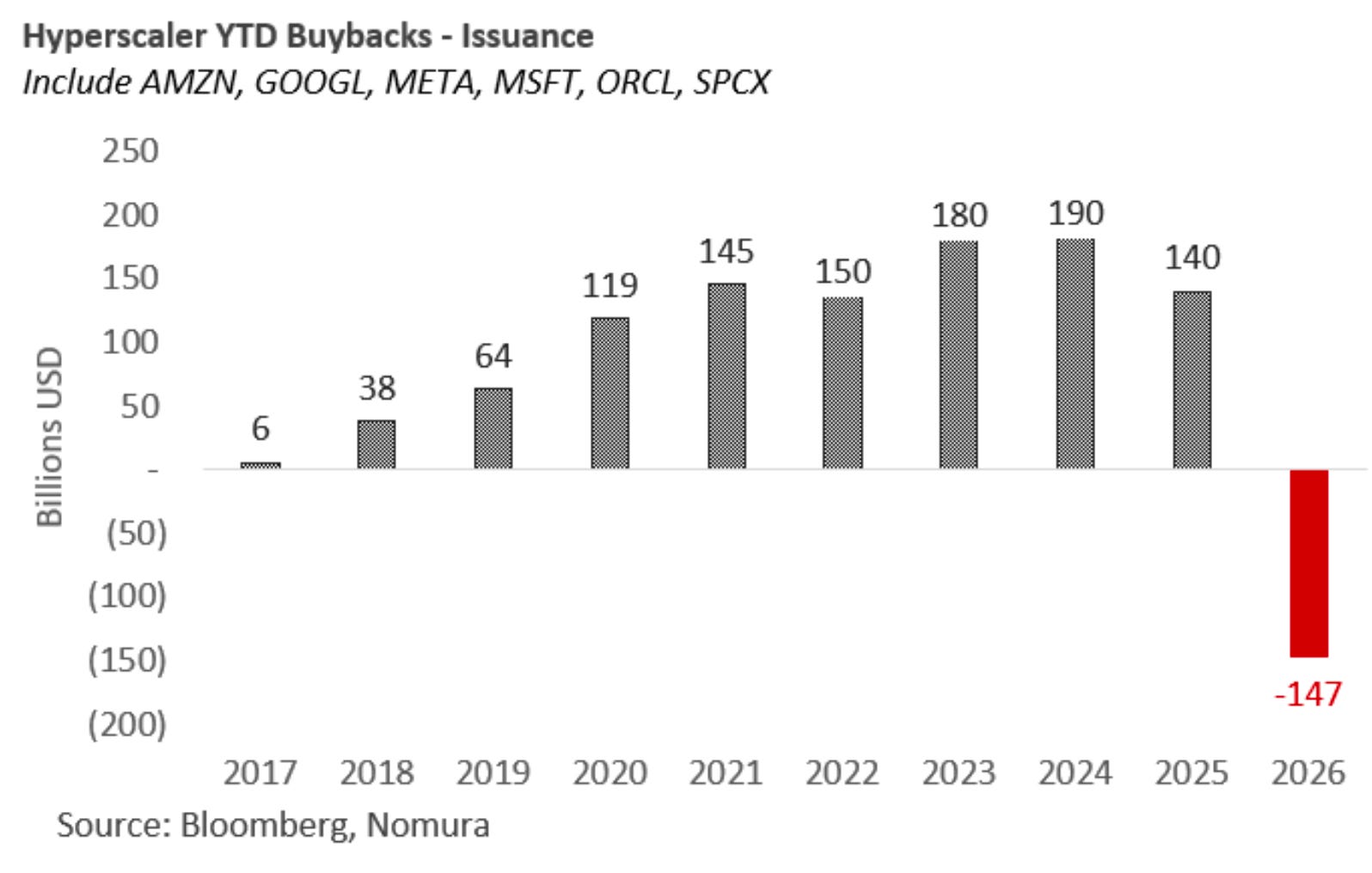
We look at the exact core threshold that keeps the Fed on hold. Plus the Nomura work showing hyperscaler buybacks have flipped to a net minus $147 billion this year, which changes who is bidding for equities. And we’re closing out one of our positions on the tactical watchlist for a +12.7% gain.
Morning Macro Briefing
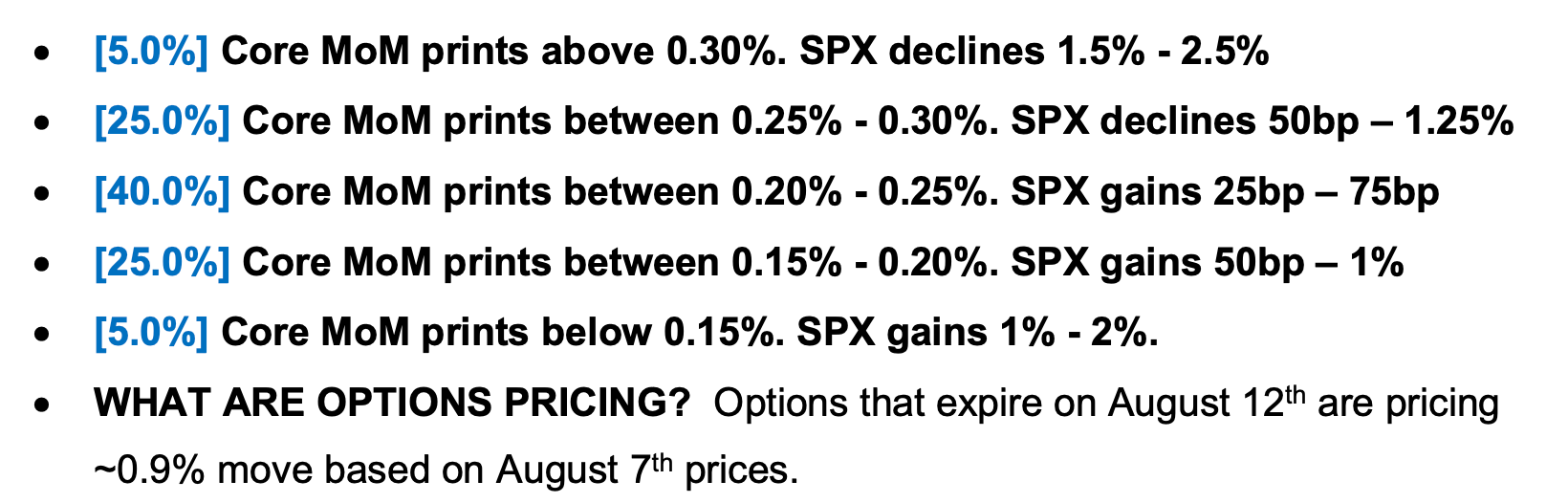
The line that matters is 0.20% on core MoM. Under it the Fed stays comfortable waiting, above 0.25% the Fed’s September meeting becomes live.
JPM’s desk puts 40% odds on core between 0.20% and 0.25%, worth 25 to 75 basis points on the S&P. Their hot tail above 0.30% carries 5% odds but a 2% drawdown, and that asymmetry is the trade rather than the point estimate.
Three FOMC members dissented in favor of hiking last month, and Warsh has stopped signaling ahead of decisions. So the data is what determines the path.
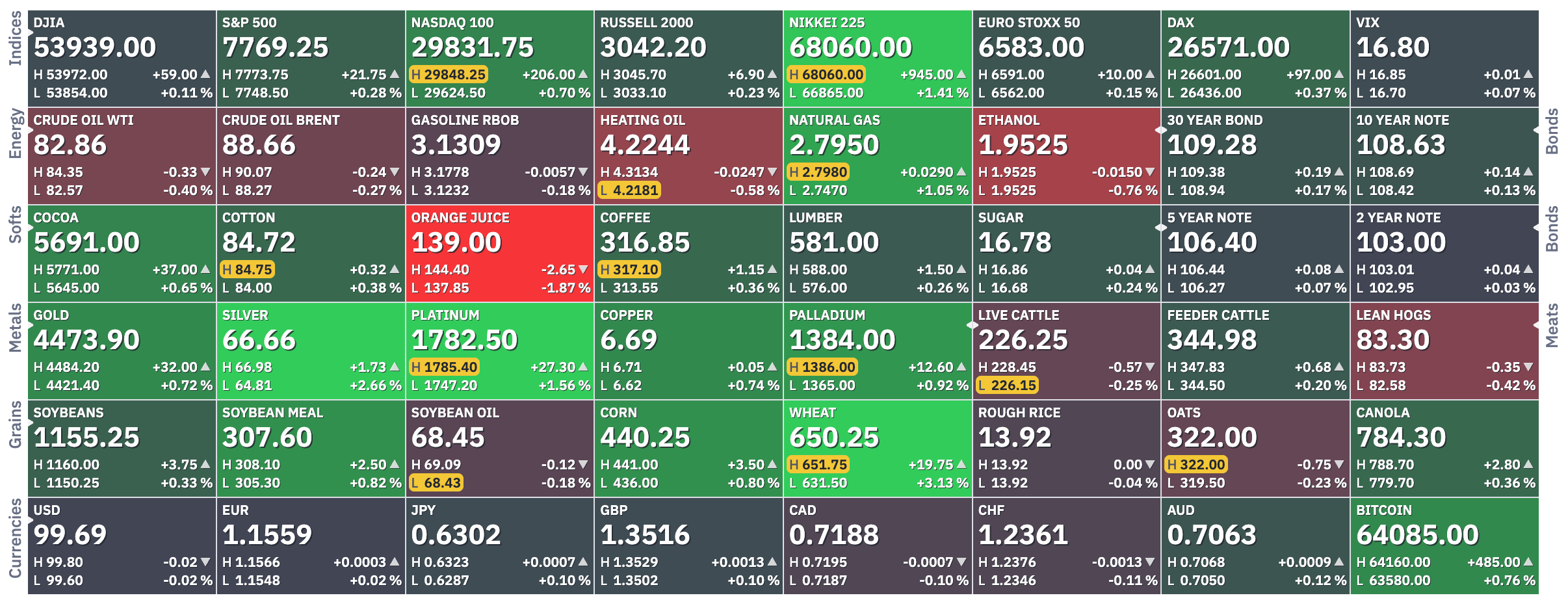
Oil is the complication. Brent is up 0.9% at $89.70, a sixth straight day higher, after Trump said the US has total control of the strait and Iran responded by adding conditions.
Roughly 9 million barrels a day are still leaving Hormuz, close to half pre-conflict volumes. I stay constructive on crude while the stalemate holds, with $88 Brent defining the trend and an Iran-Oman reopening taking it to the low 80s.
The yen sits at 159.37 with 160 the level where Tokyo gets uncomfortable. The BOJ is only at 1%, and Bloomberg reporting points to a real split between Bessent, who wants faster tightening, and Takaichi, who does not want to choke off her growth plan.
I would not chase dollar-yen through 160. If the BOJ stands pat again after July’s intervention, that operation gets labelled a failure and the yen goes lower fast.
Gold is the best-behaved asset here, up 0.7% to $4,399 after a 10% bounce off the mid-July low near 3,976. Nomura’s CTA model has flipped from an 18% short to a 15% long and goes full long above $5,056, so I keep the long bias.
Chart of the Day
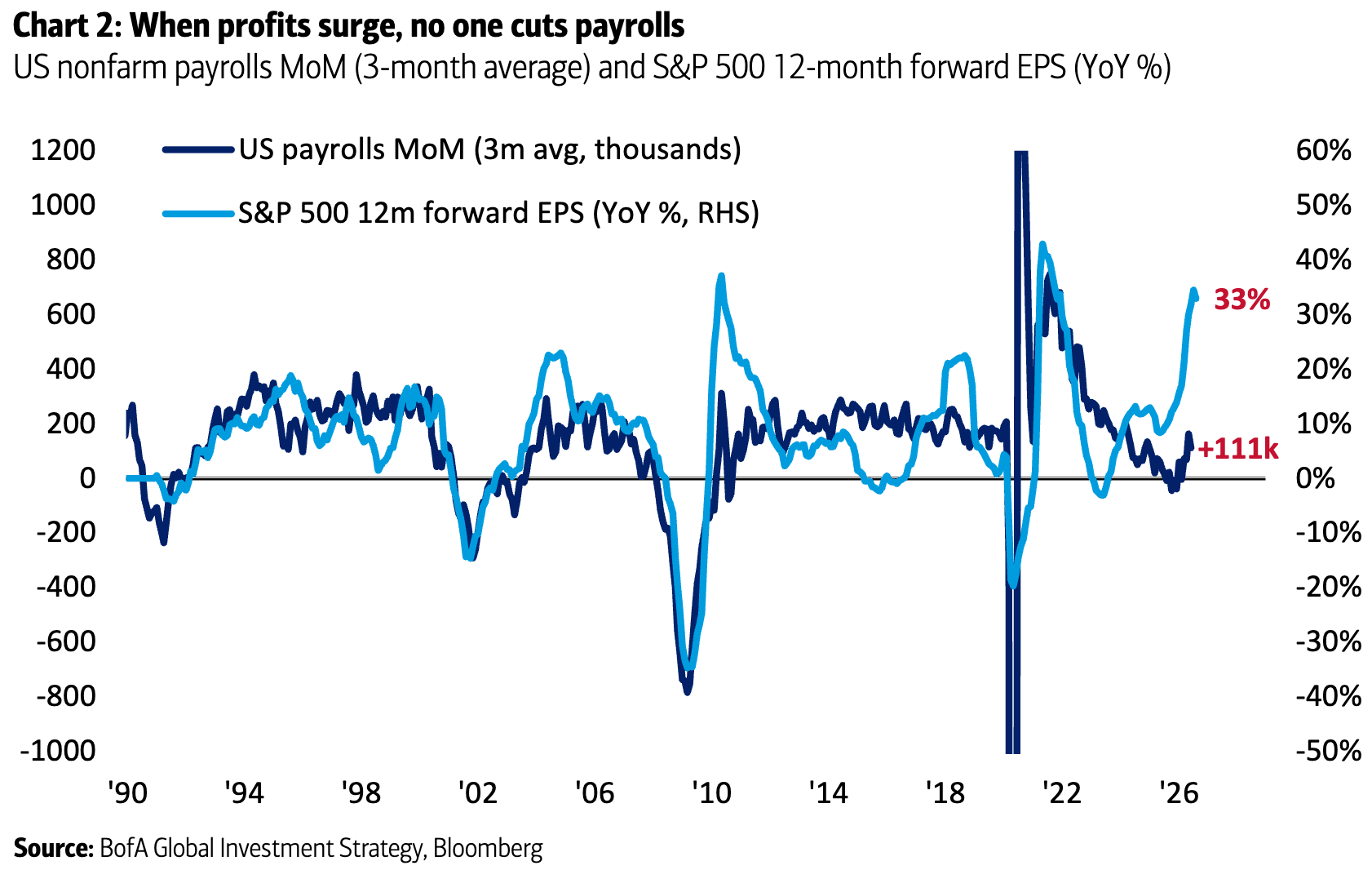
BofA pairs the three-month average of US payrolls, around +111k, with S&P 500 twelve-month forward EPS growth at 33%. Companies do not cut staff while profits are surging, and JOLTS said the same thing differently with almost no hiring and almost no firing.
Frozen, not cracking. A soft CPI on top of that keeps the Fed on hold.
Calendars
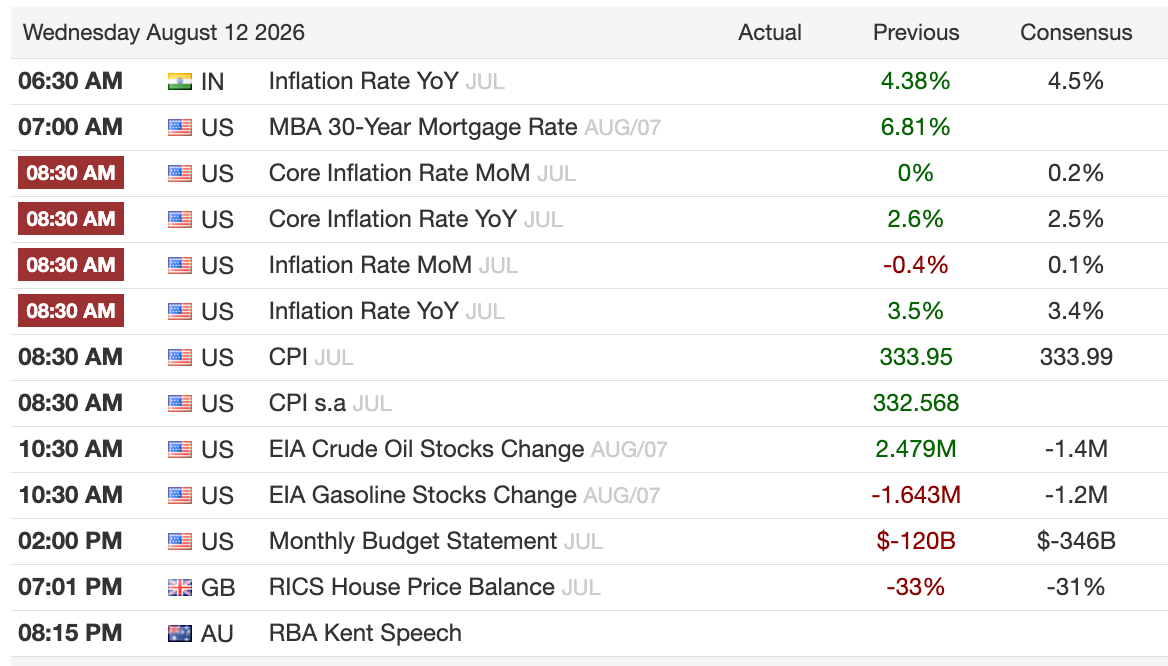
CPI at 8:30 dominates. EIA crude stocks at 10:30, with consensus at a 1.4 million barrel draw, is worth a look given where Brent is.
Market Prep
Yesterday was a nothing session. The S&P closed down 32 basis points at 7,728 with a $3.7 billion sell imbalance, on 14.9 billion shares against a year-to-date average of 19.25 billion. Small caps were the exception, with the Russell up 36 basis points at 3,028 on easing yields.
Goldman’s desk had the S&P implied move through today’s close at 0.59%, and the IWM straddle is implying the smallest event move since September 2023. Cheap gamma, if you think small caps carry more rate beta than the market credits post-rebalance.
Futures are up on the earnings, with S&P +0.2% and Nasdaq +0.4%, and Kospi ran 4% higher with Samsung and Hynix both up around 6%.
Nomura’s McElligott tracks the financing side of the AI buildout, where hyperscaler datacenter issuance across bonds and loans is running $269 billion year to date, double all of 2025.
Hyperscaler credit now trades 31 basis points wide of the broad IG index, up from 24 in June, and hyperscaler buybacks net of issuance have flipped from plus $140 billion in 2025 to minus $147 billion this year. Buybacks have been the structural bid under US equities for a decade, and that bid is going flat.
The same supply crowds the duration buyers Treasury needs, raising the odds of a harder shift toward bills at the next refunding. The market is underpricing that flattening surprise.
CoreWeave delivered what the AI complex needed. Revenue more than doubled to $2.58 billion, the loss was $1.14 a share against $1.41 expected, and backlog hit $104 billion plus $25 billion committed after quarter end. New deals carry margins five to ten points higher on tight capacity, which is the detail that matters.
Super Micro was the better guide and the worse stock. Q1 guidance of $14.5 to $15.5 billion against $11.9 billion consensus is an enormous gap, yet the shares are still down about 30% over twelve months while Dell is up more than 230%. The order book has not earned the market’s trust.
Three things to watch. Core CPI against 0.20% decides whether the front end rallies or September gets priced properly. Brent holding $89 keeps energy and the war-recovery names working, and Cisco after the close against $16.83 billion revenue tells you whether enterprise networking catches any of the capex the hyperscalers keep paying for.
Our tactical watchlist is below the paywall.